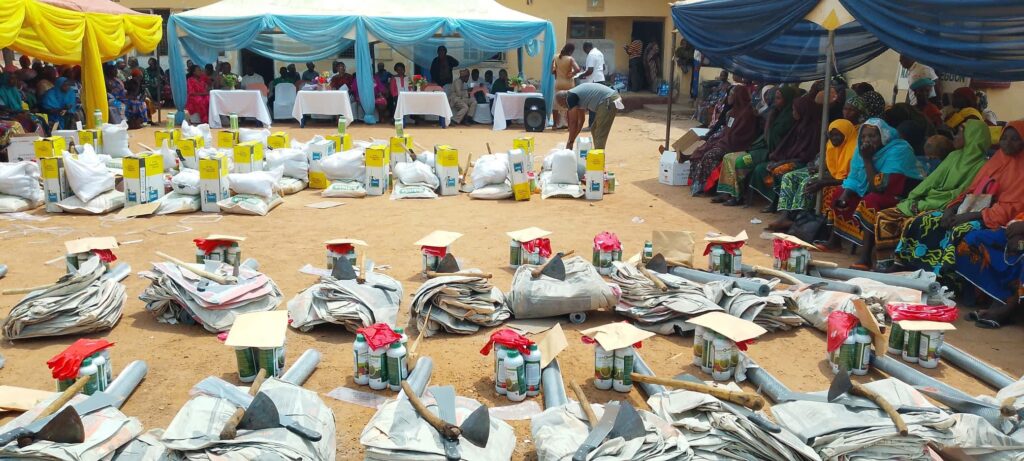
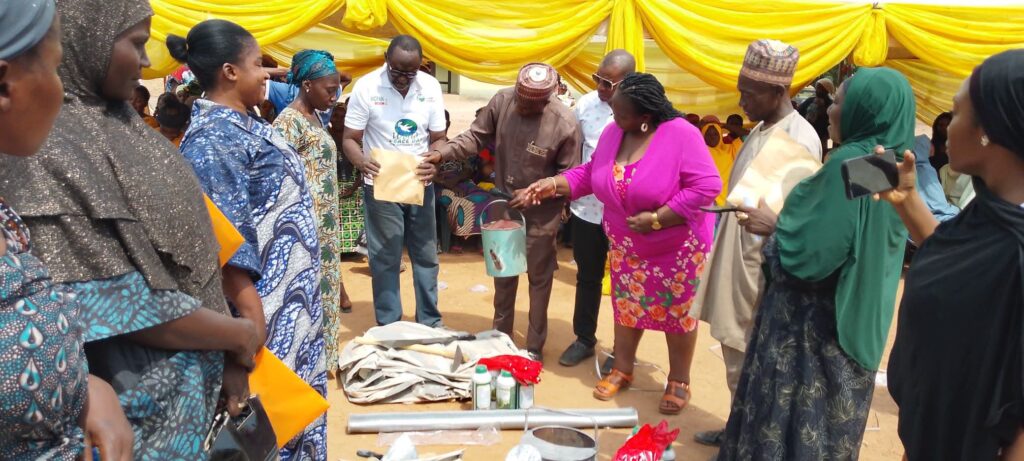
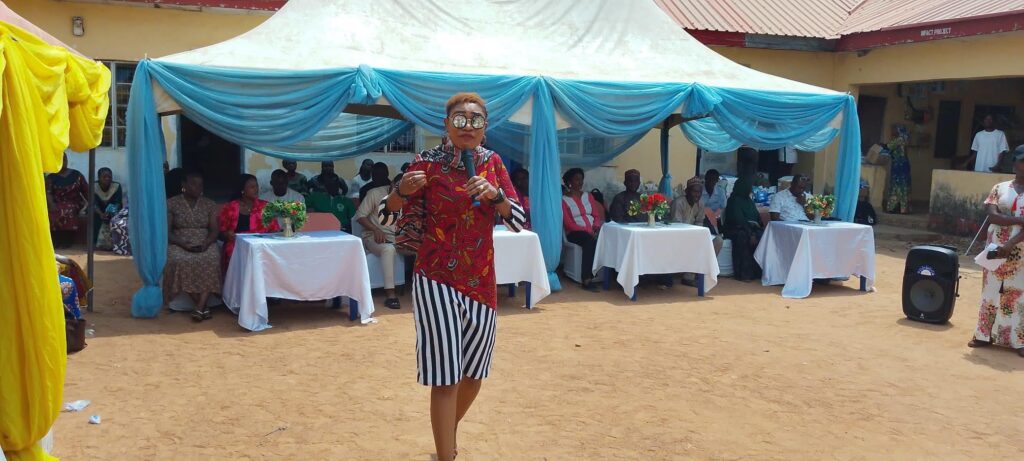
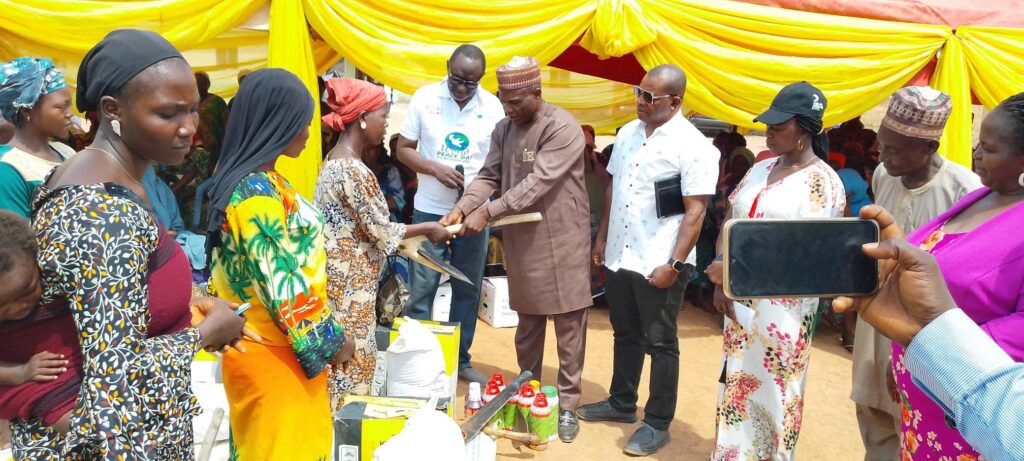
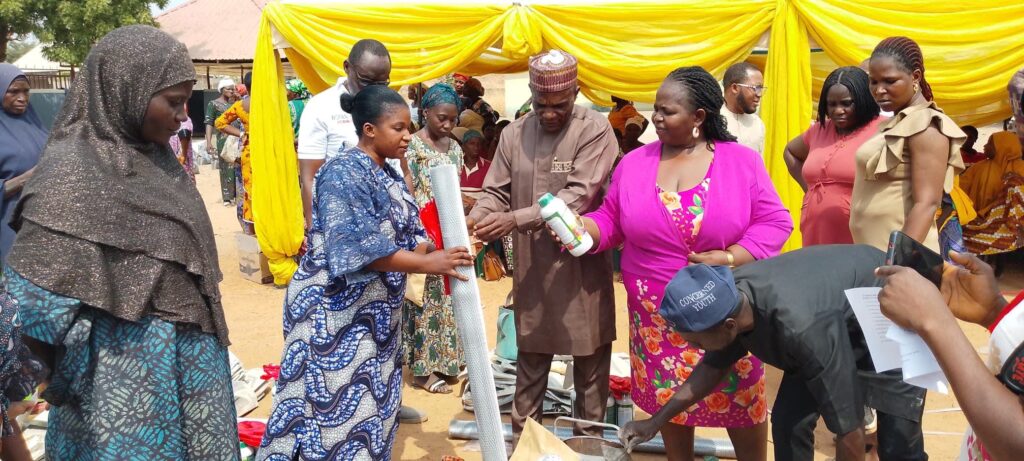
On the 4th of March 2026, Nasarawa Eggon Local Government Area hosted the official flag-off ceremony and distribution of farm inputs under the Food Security and Malaria Prevention (FSM) Project. The intervention is funded by Gesundes Afrika, Germany, and implemented in collaboration with key partners committed to improving community health and livelihoods.
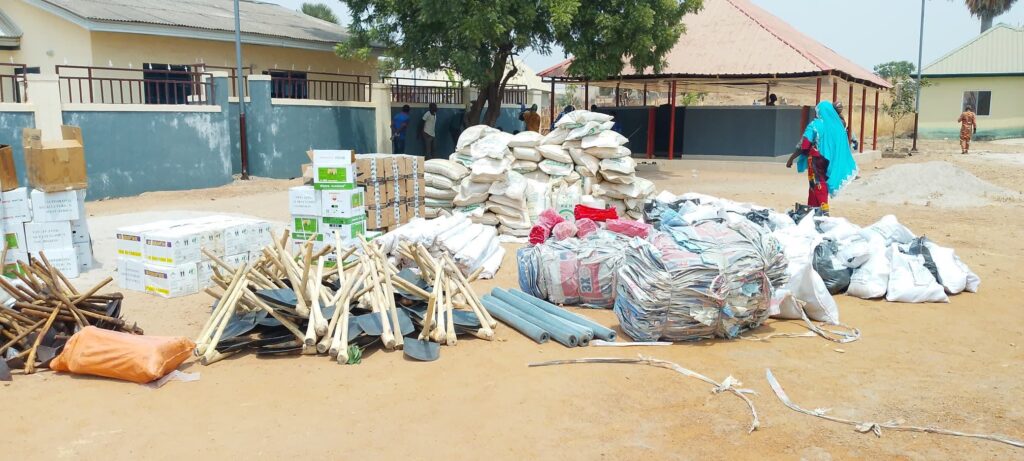
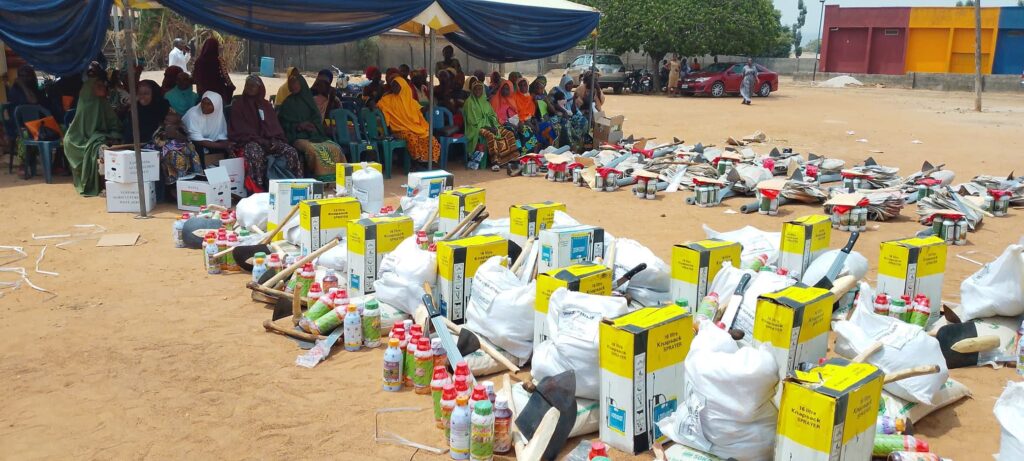
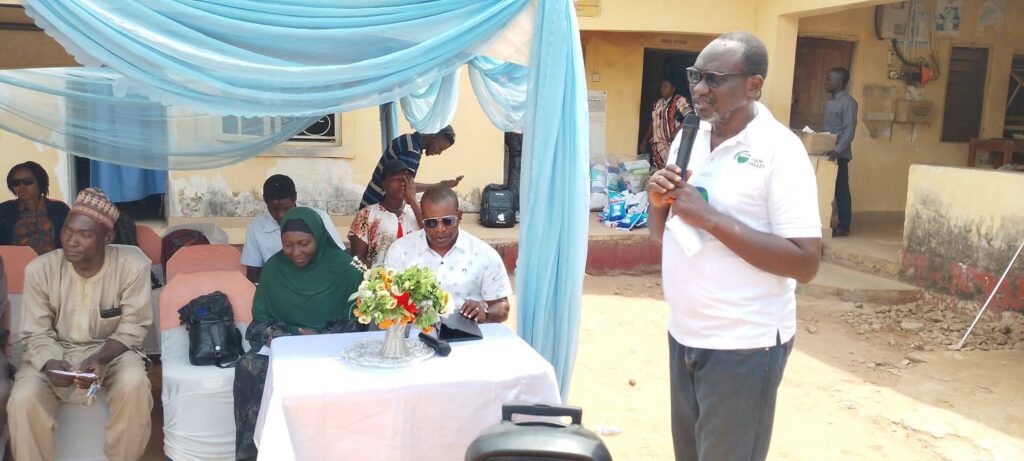
The event recorded strong participation from stakeholders including the IHVN Central team, the IHVN State team, NACWYCA representatives, and officials from the Local Government. Their presence underscored the importance of coordinated efforts in addressing food insecurity and malaria prevention through sustainable community-based solutions.
Strengthening Food Security at the Community Level
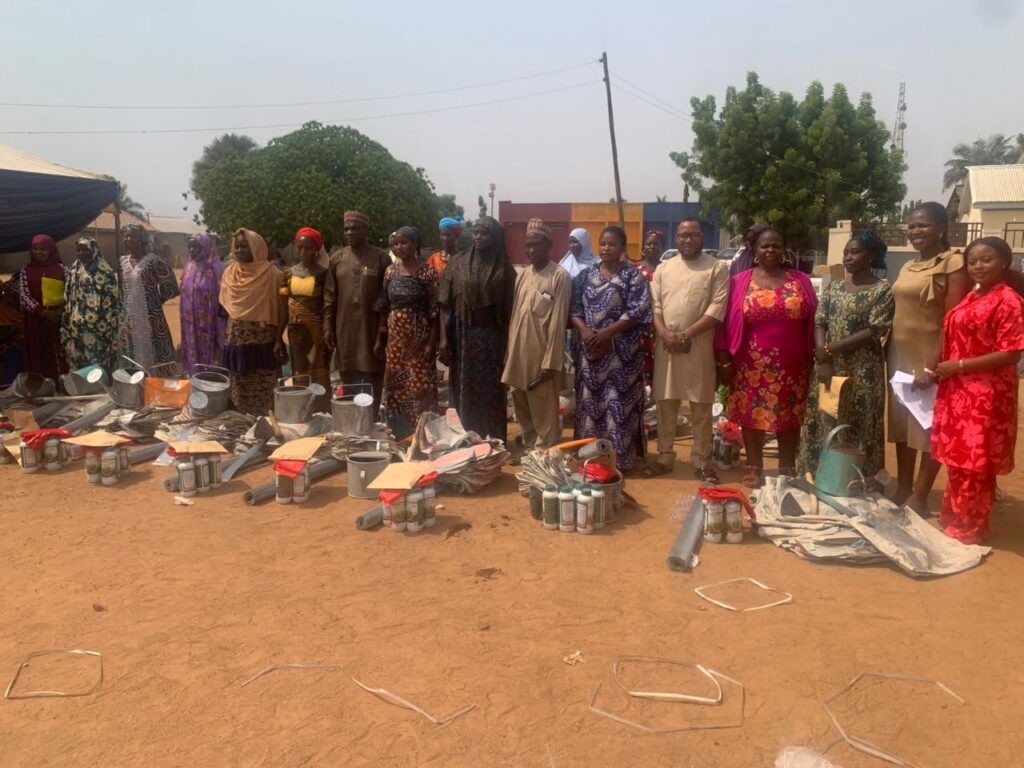
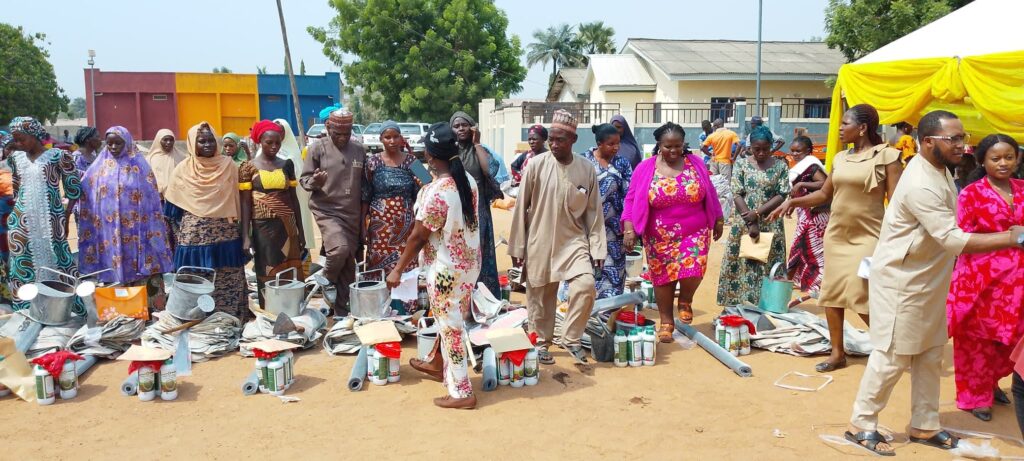
As part of the intervention, a total of 186 beneficiaries were reached across Nasarawa Eggon LGA. The beneficiaries were categorized into two groups based on their farming needs and household structure:
- 99 beneficiaries received communal farming tools and seeds
- 87 beneficiaries received home garden tools and seeds
This targeted distribution ensures that both group farming initiatives and household-level food production are adequately supported.
The farm inputs distributed include herbicides, fertilizers, knapsack sprayers, hoes, cutlasses, mesh nets, seeds, and watering cans. These materials are essential for improving agricultural productivity and supporting year-round food production.
Linking Agriculture and Health Outcomes
The FSM Project is designed not only to improve food security but also to contribute to malaria prevention. By empowering households to grow food and maintain cleaner, more organized living environments, the project indirectly reduces conditions that support mosquito breeding and disease transmission.
This integrated approach reflects a growing understanding that health outcomes are closely tied to environmental and economic factors. Supporting agriculture at the community level helps reduce dependence on external food sources while also promoting healthier living conditions.
A Step Toward Sustainable Community Development
The flag-off ceremony marks another milestone in ongoing efforts to strengthen resilience in rural communities. By equipping farmers with the right tools and inputs, the project is helping households move toward greater self-reliance and improved nutrition.
Stakeholders at the event reaffirmed their commitment to ensuring proper utilization of the distributed items and continued support for participating communities.
Conclusion
The Food Security and Malaria Prevention (FSM) Project in Nasarawa Eggon LGA represents a practical model of integrated development, where agriculture and health interventions work hand in hand. With continued collaboration between partners like Gesundes Afrika, IHVN, NACWYCA, and local authorities, more communities can be empowered to build healthier and more sustainable futures.